


How to Tell When It's Time to Replace Your Microfiber (And When You Can Still Save Them)
At a Glance
- Microfiber usually loses performance before it looks worn out.
- Poor absorbency and loss of “grippiness” are the biggest warning signs.
- Sometimes a proper wash can restore performance—but worn fibers can’t be repaired.
- If your towels aren’t cleaning as well as they used to, a quick five-minute test can tell you whether it’s time to replace them.
How Do You Know When It’s Time to Replace Your Microfiber Towels?
One of the questions we see asked all the time in cleaning communities is: “How do I know when it’s time to replace my microfiber towels?”
It’s a fair question because microfiber doesn’t suddenly stop working overnight. Instead, its performance slowly declines over months, or even years, until one day you realize your towels aren’t absorbing like they used to, they’re leaving streaks behind, or they just don’t seem to clean as well anymore.
But microfiber usually gives you plenty of warning before it’s ready to retire. Here’s exactly what to look for, and what you can try before buying new towels.
First: Not All Microfiber Lasts the Same Length of Time

One important thing to understand is that microfiber lifespan varies dramatically depending on quality. When I first started cleaning with microfiber, I assumed every towel was basically the same. If one pack cost $10 and another cost $20, I figured I was just paying for a brand name.
I couldn’t have been more wrong. Lower-quality microfiber contains fewer split fibers, making it less absorbent, less effective at trapping dirt, and much quicker to wear out. Premium microfiber costs more upfront because there’s simply more microfiber doing the work.
That’s why cheap towels often lose performance after relatively few washes, while professional-grade microfiber can remain effective through hundreds of wash cycles when cared for properly.
Before You Replace Them, Make Sure You’re Washing Them Correctly
Many towels that seem “worn out” are actually suffering from detergent buildup or improper laundering. So before assuming they’re finished, make sure you’re following these basic rules:
- Wash only with other microfiber.
- Use a mild detergent.
- Wash with cold or warm water (160°F maximum).
- Dry on low heat or air dry.
- Never use fabric softener or dryer sheets.
These simple habits dramatically extend the life of microfiber.
Can You Restore Old Microfiber Towels?
Sometimes. If your towels have simply become clogged with detergent residue or mineral deposits, a proper wash may restore much of their performance.
Try this first:
- Wash them using a mild detergent.
- Run an extra rinse cycle.
- Skip fabric softener and dryer sheets completely.
- Air dry or tumble dry on low heat.
If your towels still don’t absorb water or grip dust after that, the fibers themselves have likely worn down.
Unfortunately, once microfiber fibers wear out, there’s no way to restore them.
Quick Test: Does Your Microfiber Need Replacing?

Not sure if it’s actually time to replace them? Run through this checklist.
- ✓ Doesn’t absorb water like it used to
- ✓ Pushes liquids around instead of soaking them up
- ✓ Feels smooth instead of slightly grabby
- ✓ Leaves streaks or lint behind
- ✓ Doesn’t pick up dust effectively
- ✓ Still performs poorly after being washed correctly
If you checked three or more boxes, it’s probably time to retire that towel.
These Signs Apply to More Than Just Towels
While this article focuses on microfiber towels, the same signs apply to virtually all microfiber cleaning products. Whether it’s a mop pad, duster, glass cloth, drying towel, applicator pad, or cleaning mitt, microfiber works the same way.
As the split fibers wear down over time, you’ll notice reduced absorbency, less “grip,” and lower cleaning performance. If your microfiber products aren’t working like they used to, even after proper washing, it’s probably time to replace them.
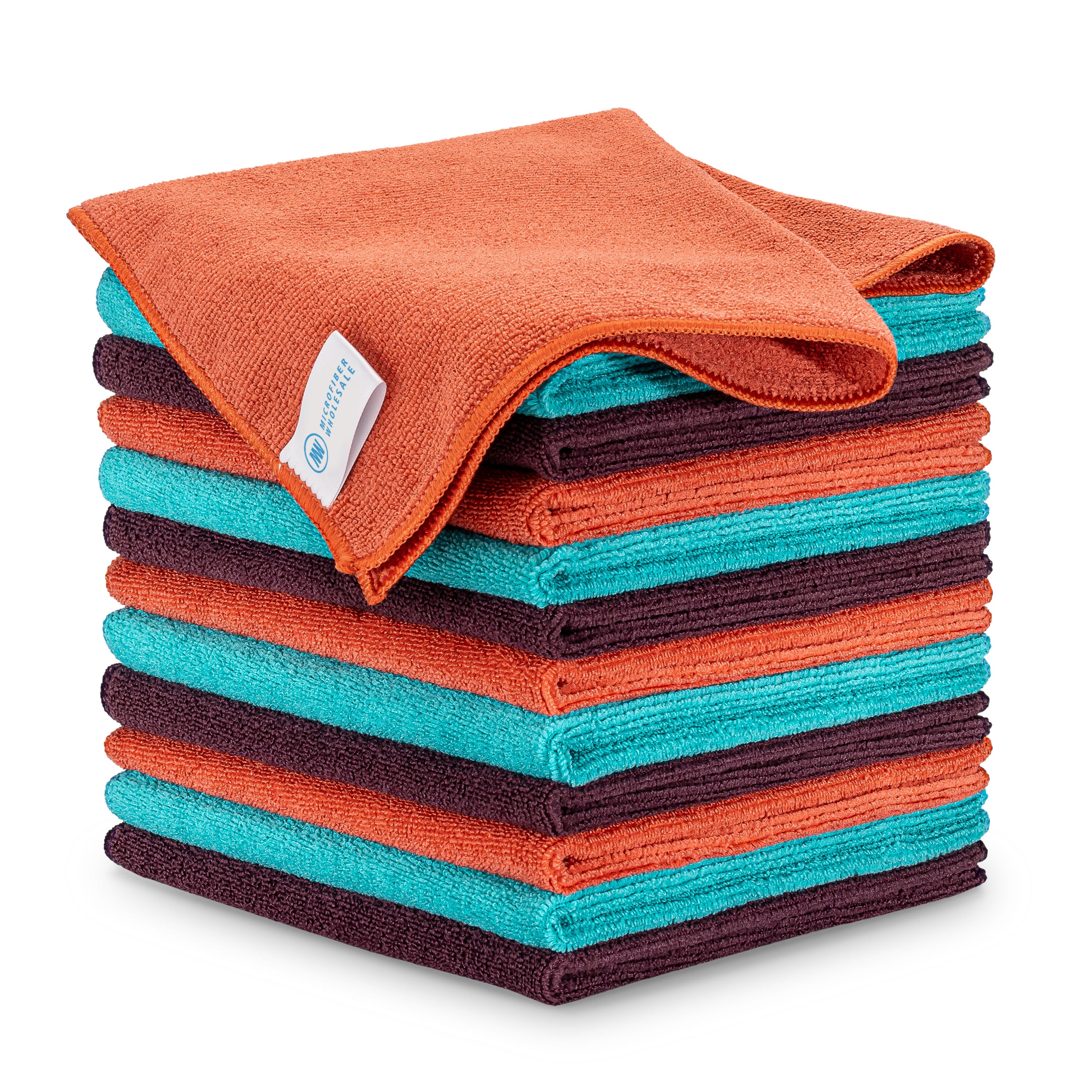
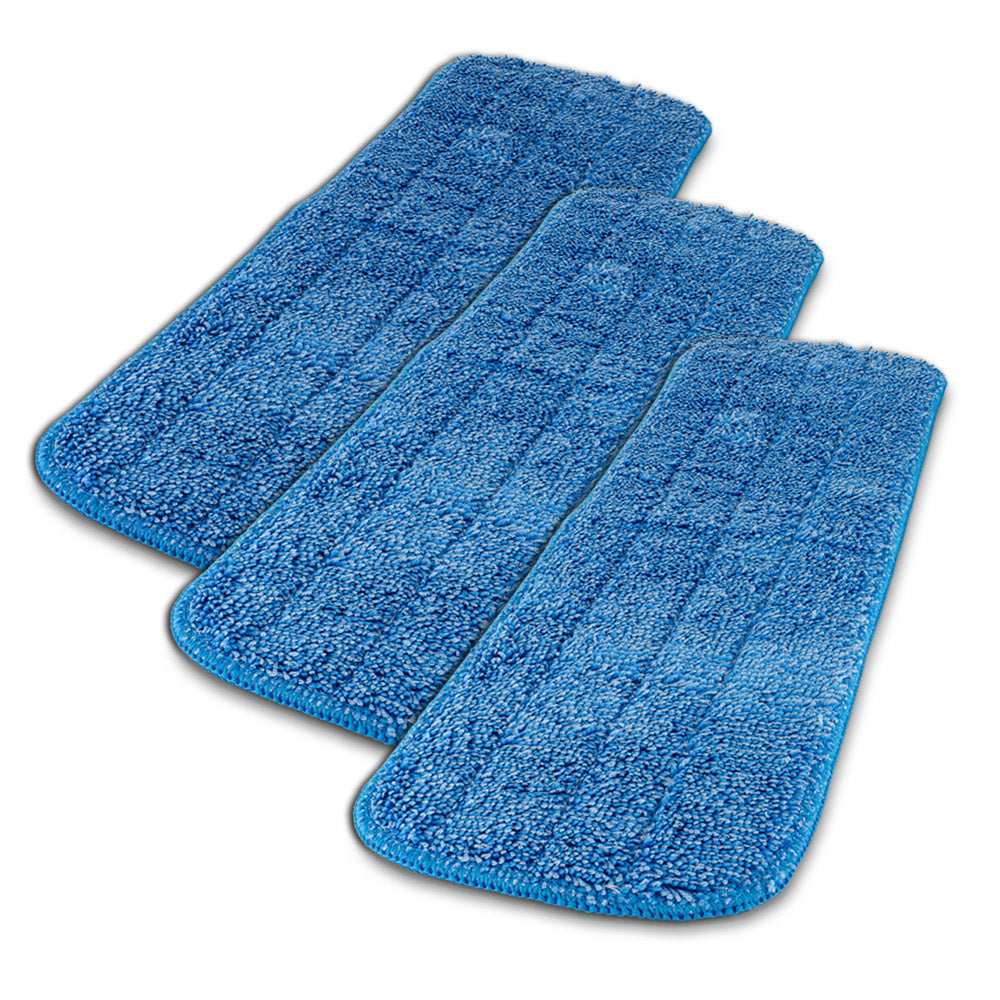
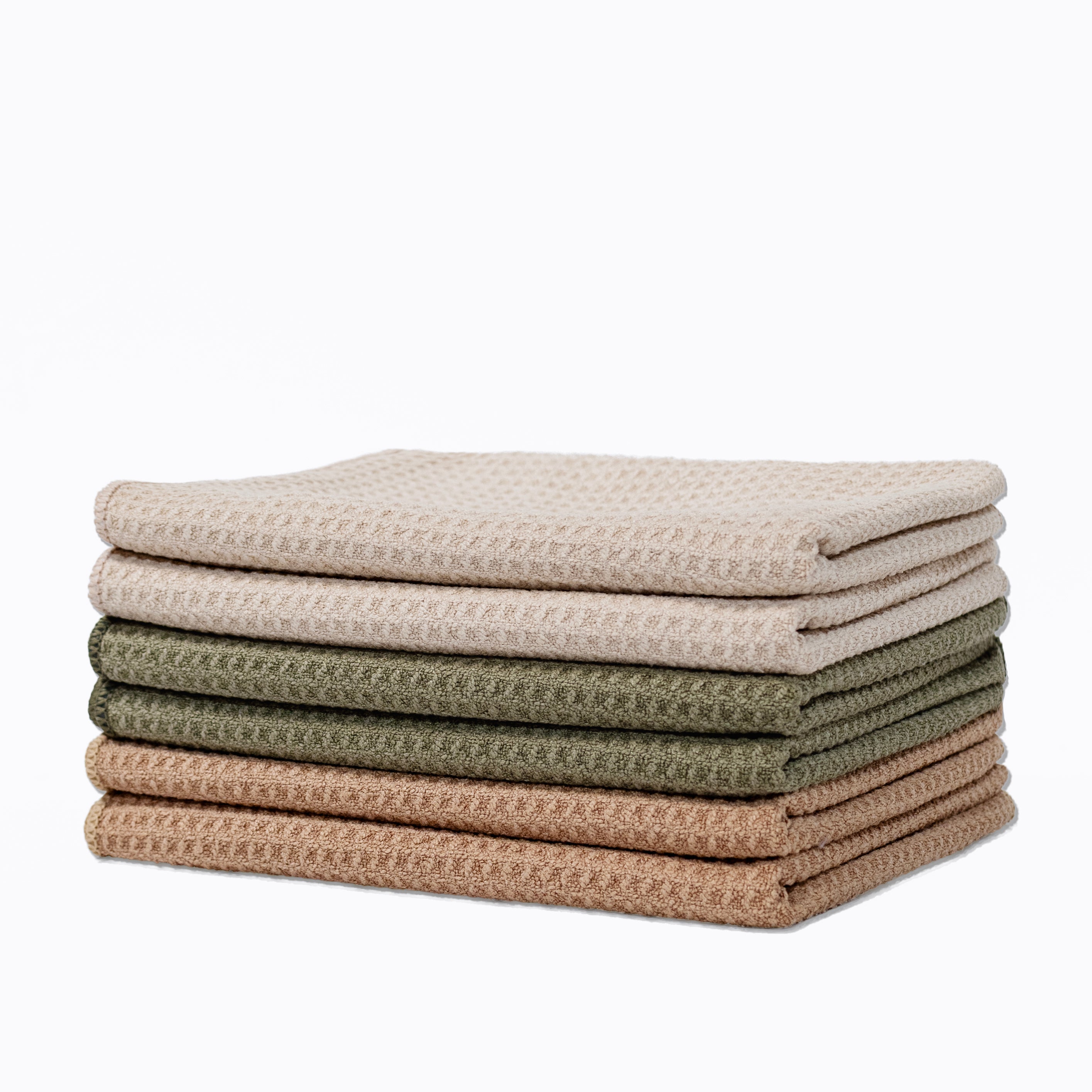
4 Signs It’s Time to Replace Your Microfiber Towels

1. It Doesn’t Absorb Water Anymore
The first sign most people notice is poor absorbency. A healthy microfiber towel quickly pulls moisture into the fibers. A worn-out towel simply pushes water around the surface.
If drying countertops, mirrors, or floors suddenly takes twice as long, your towel has probably lost much of its absorbency.
2. It Has Lost Its “Grippiness”
Have you ever noticed microfiber feels almost sticky against your skin? That’s actually a good thing.
Those tiny split fibers grab onto dust, dirt, grease, and bacteria. When those fibers wear down, the towel starts feeling smoother.
If your towel no longer has that distinctive grabby feeling, it’s usually a sign the fibers have worn smooth and cleaning performance has dropped significantly.
3. It Shows Visible Wear

Frayed edges, thinning fabric, loose stitching, and worn patches are obvious warning signs. However, appearance alone isn’t always reliable.
High-quality microfiber often continues looking nearly new long after cheaper towels would have fallen apart. In fact, independent wash testing on several of our professional microfiber products found they still looked virtually new after more than 250 wash cycles.
That’s why visible wear should always be considered alongside the other signs, not by itself.
4. Try the Flashlight Test
One simple test is holding your towel up to a bright flashlight. If significantly more light passes through than when the towel was new, the fibers may have worn thin.
Just remember that this test works best if you know what the towel looked like when it was new. Heavier professional towels often remain dense enough that light won’t shine through even after years of use.
What Causes Microfiber to Wear Out Faster?

Even premium microfiber won’t last forever if it’s not cared for properly.
The biggest microfiber killers are:
- Fabric softener
- Dryer sheets
- High dryer temperatures
- Bleach
- Washing with cotton towels that leave lint behind
- Using harsh chemicals that leave heavy residue
- Overloading the washing machine
Avoiding these common mistakes can dramatically extend the life of your towels.
Don’t Throw Old Towels Away Just Yet
Even if a towel isn’t suitable for polishing glass anymore, it may still have plenty of life left. Many professional cleaners gradually downgrade their towels instead of throwing them away.
For example:
- Glass cleaning → General surface cleaning
- Kitchen cleaning → Bathroom cleaning
- Bathroom cleaning → Garage or workshop
- Garage → Wheels, engines, greasy cleanup
This helps you get every bit of value out of each towel before finally retiring it.
Common Myths About Replacing Microfiber

Myth: If it still looks good, it’s still working.
Not necessarily. Performance often drops before visible wear appears.
Myth: More detergent cleans microfiber better.
Too much detergent can actually leave residue that reduces absorbency.
Myth: Fabric softener makes microfiber better.
It may feel softer, but it coats the fibers and dramatically reduces cleaning performance.
Is It Time to Replace Your Microfiber Towels?
Microfiber towels don’t last forever, but they rarely fail without warning.
If your towels no longer absorb water, grip dust, or clean effectively, even after being washed correctly, they’ve probably reached the end of their useful life.
Replacing worn-out microfiber can make every cleaning task faster, easier, and more effective. And when you invest in high-quality microfiber from the beginning, you’ll spend less time replacing towels and more time getting great cleaning results.
Buy in Bulk and Save
Preguntas frecuentes
How long should microfiber towels last?
It depends on the quality and how they’re used. Lower-quality towels may lose performance after relatively few washes, while professional-grade microfiber can often withstand hundreds of wash cycles when properly cared for.
Can you restore microfiber towels?
Sometimes. If detergent buildup is the problem, washing them correctly may restore performance. If the fibers themselves are worn out, they can’t be repaired.
What is the biggest sign microfiber needs replacing?
Poor absorbency is usually the first sign, followed closely by a loss of the towel’s characteristic grippy feel.
Should I throw old microfiber towels away?
Not immediately. Many cleaners repurpose older towels for dirtier jobs like bathrooms, garages, or wheels before discarding them.
Why does my microfiber leave streaks now?
It may be clogged with detergent residue, contaminated with fabric softener, or simply worn out. Wash it properly first, then reassess its performance.
The products the pros won’t clean without
Our best sellers aren’t best sellers by accident. These are the microfiber towels, mops, and dusters that professional cleaning crews order again and again — the same products that cleaners at some of the largest cleaning companies in the country depend on every single shift.
When your reputation rides on every surface you touch, you don’t gamble on your tools. These are the ones that have earned their spot — wash after wash, job after job.


